
Why is My Piercing Itchy? What’s Normal and when to Worry
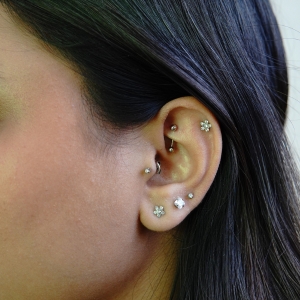
Mild itching is usually just your piercing doing its thing while it heals. It’s totally normal. But if it’s intense, won’t quit, or comes with redness or discharge, that’s a different story and worth paying attention to.
No matter whether it’s a facial piercing or a belly piercing, the same basic rule applies: keep your hands away as much as possible. This also applies when the area starts itching and every single instinct you have tells you to scratch it. Let’s talk about what causes this itchiness so you’re aware of what’s going on in your healing process.
Can Stress Affect Piercing Healing? Everything Worth Knowing
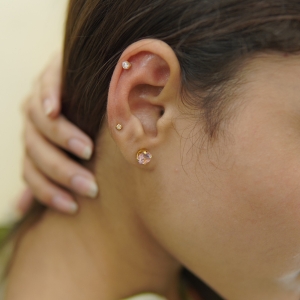
Yes, stress can affect piercing healing. It affects your immune system, your inflammation levels, sleep quality, and all of that can influence how fast and how well the wounded area heals.
When people come to us for a nose piercing, or just generally Google “piercing in Karachi”, they focus more on the aftercare. We always get queries like which saline spray, how often to clean, what products to avoid, what to do if something looks off. But there’s one factor that people rarely talk about or know about, and that’s how stress plays a role in your healing journey.
Body Anatomy: Why Some Piercings Aren’t Suitable for Everyone
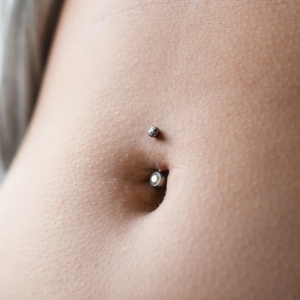
Most people arrive at Galima Piercing and Aftercare Studio after searching for “piercing near me”. They come in with reference photos of facial or body piercings and specific placements in mind, and a very clear idea of exactly what they want. That’s a good starting point, but it isn’t the starting point for the piercer. The first thing that should happen in any consultation before marking or choosing the jewelry is an assessment of the client’s anatomy. Whether a placement is viable on a specific person’s body isn’t about whether it will look good; it’s about whether it is even possible.
When Can I Change My Piercing Jewelry? A Complete Guide
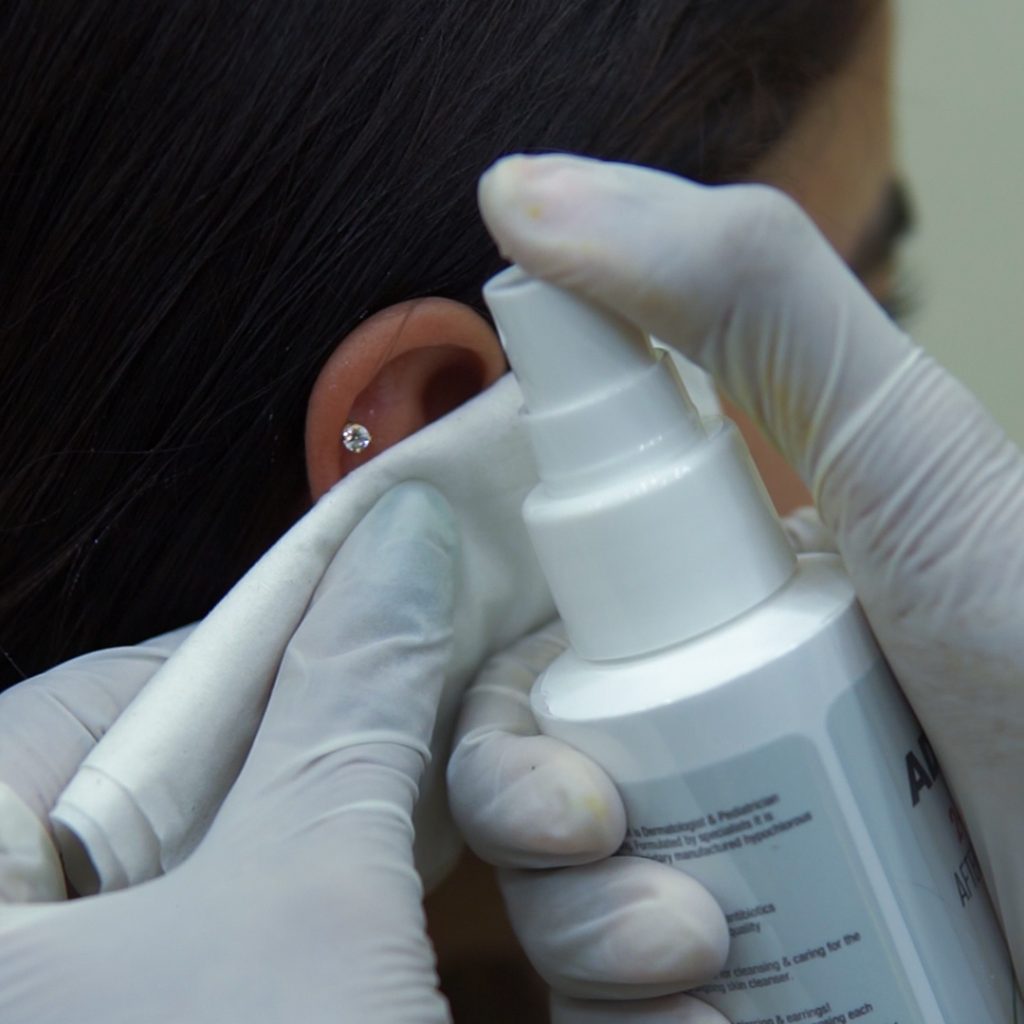
At our studio, one of the most common issues we see is irritation caused by changing jewelry before healing is complete. What we tell our clients is to wait for at least the time specified for a certain area.
If you just got an ear or nostril piercing, you already know that itch to switch out the jewelry the second it stops hurting. You’re browsing rings online at week three, telling yourself it looks totally healed. At Galima Piercing and Aftercare Studio, we see many people making this mistake because the temptation is real. But changing out the jewelry from ear piercing or other piercings too early is one of the top ways people can derail an otherwise perfect healing journey. So let’s talk about what goes on inside your body and when it’s safe to make a switch.
Can You Re-Pierce a Closed Piercing? Everything You Need to Know
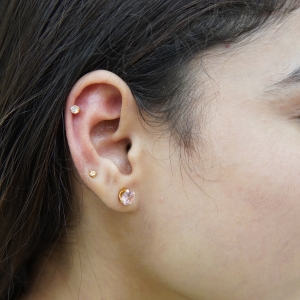
The answer is yes, but you need to think about the scar tissue. The assumption most people have about a closed ear piercing or piercings in general is that the area has simply returned to how it was originally. That isn’t what happens. When the channel closes, the body fills it with “collagen,” the fibrous structural protein that makes up all scar tissue. It’s not the same as the original skin or tissues. These are firmer and don’t stretch as much even the blood supply varies. Because it is different, it can affect how easy, painful, or successful re-piercing is.
How Your Skin Type Affects Facial Piercing Healing Time
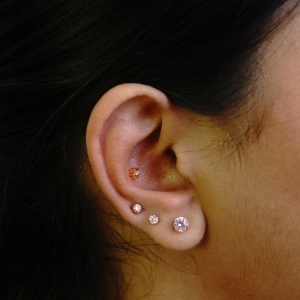
Most people are familiar with the basics of facial piercing aftercare or can easily find plenty of information online. Cleaning with saline twice a day and avoiding unnecessary touching are excellent foundations for healing. However, aftercare isn’t one-size-fits-all. Oily, dry, and sensitive skin types each face unique challenges and can show different signs throughout the healing process. Understanding how your skin type affects healing can help you recognize what’s normal, avoid common mistakes, and support a smoother recovery instead of spending weeks wondering why your piercing isn’t healing as expected.
Before Getting a Piercing in Karachi: Medications and Health Conditions to Consider
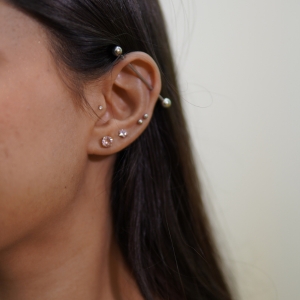
There are two kinds of situations you may encounter when getting a piercing in Karachi. One is when you are unaware of the side effects of certain medications or health conditions and go ahead with the nose piercing or any other one without realizing the risks. The other is when you ask, “Do my medications affect anything?”, but the piercing is already done.
In reality, most medical conditions or medications don’t mean piercings are impossible. It just means you have to be more cautious and diligent. A client with well catered diabetes and a client with uncontrolled diabetes are not in the same situation, and they really shouldn’t be handled the same way. At Galima Piercing Studio and Aftercare, if a client tells us about any medical condition or medication, we factor it in and proceed with their safety in mind.
How to Prepare for Your Piercing Appointment (So Everything Goes Smoothly)
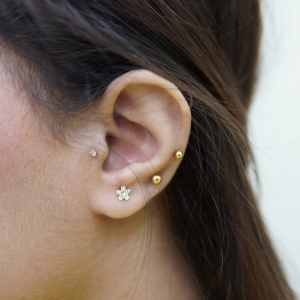
Have you finally decided you want a new piercing in Karachi? If yes, then you probably spent a long time scrolling through reference photos and debating on which body piercing to get. Aside from researching jewellery placements, knowing what to do and what to avoid 24 hours before your appointment is just as important. Yet almost nobody talks about the preparation you need before getting pierced. But at Galima Professional Piercing and Aftercare, we value our clients, and that’s why we gathered this information for you.
When it comes to body piercing appointments, many factors determine how your experience goes. At our studio, we have often seen people who visit us underprepared. When getting pierced, they feel like they’re about to faint or they have a rough healing journey afterwards.
All of these troubles are avoidable and here’s how.
Can You Wear Makeup with a Fresh Facial Piercing? Here’s What’s Safe
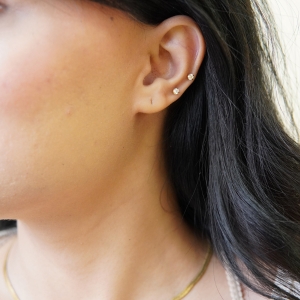
Having a fresh facial piercing and maintaining your daily office makeup routine are challenges that most aftercare guidebooks don’t address. Most pieces of information you’ll find online cover how to keep it clean and what to use when it’s painful, or talk about signs of infection. These instructions are important too. But they don’t tell you the dos and don’ts when you’re standing in front of your mirror holding a foundation brush, getting ready for a wedding or Eid.
Our expert piercers and aftercare guides say that you can keep wearing makeup, but with some conditions. Bonus point, people with belly piercings have a version of the same problem with clothing rather than cosmetics, and we’ll get to that, too.
There are clear guidelines for which cosmetics can be used on freshly pierced areas, and you should know about them instead of making guesses. So here’s everything you need to know.
Nostril Piercing Bump: What It Is, Reasons, and Solutions

You did everything right. You got pierced by a professional, followed your aftercare routine, and handled it gently. Still, one day, your nostril piercing starts hurting, and a bump appears.
Now you’re thinking, “What did I do wrong?”
Before you start searching for answers and applying random advice found on the internet, read this first. Whether it’s a nose piercing bump or something you’re also dealing with on an ear piercing, the causes are usually the same. And it’s easy to treat, but not if you follow random suggestions from random people. These DIY creams or tips can do more harm than good.
So let’s understand everything you need to know about these annoying bumps and get into the details.
