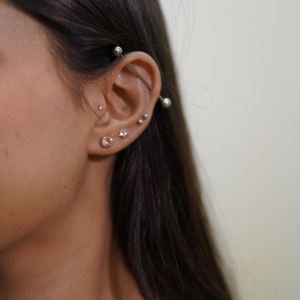
There are two kinds of situations you may encounter when getting a piercing in Karachi. One is when you are unaware of the side effects of certain medications or health conditions and go ahead with the nose piercing or any other one without realizing the risks. The other is when you ask, “Do my medications affect anything?”, but the piercing is already done.
In reality, most medical conditions or medications don’t mean piercings are impossible. It just means you have to be more cautious and diligent. A client with well catered diabetes and a client with uncontrolled diabetes are not in the same situation, and they really shouldn’t be handled the same way. At Galima Piercing Studio and Aftercare, if a client tells us about any medical condition or medication, we factor it in and proceed with their safety in mind.
Can You Get a Nose Piercing While Having Blood Thinners?
One of the main concerns here is blood-thinning medications. This includes prescription drugs like warfarin and rivaroxaban, and even common ones like aspirin. All of these affect how the blood clots. So if someone gets a piercing while having them, they usually could face more bleeding than normal. The point is, you might see more fluid than others at the site afterwards.
But wait, this doesn’t mean you can’t get an ear or nose piercing at all. A piercer working with a client on blood thinners can use the technique of applying pressure to the site after the procedure. One thing you and the piercer should consider is avoiding highly vascular placements where bleeding can be heavier. In these cases, you should also be aware of the post-procedure care.
So if you are planning to go to the piercer, you must visit your doctor for the general checkup. If everything is good, then you can proceed with the piercing. Ask whether it’s safe or whether the medication dose or type creates any specific risk. There is not a single piercer who can assist you if you don’t tell them about your health condition, so it’s your responsibility to inform them about your health. If it’s not safe, simply don’t go for it.
Can you get pierced If You Have an Autoimmune Disease?
It depends. Autoimmune conditions like lupus, arthritis, and even psoriasis can affect how your body handles healing. Depending on the condition, your immune system may be overactive, attacking healthy tissue, or just not working properly. For you this means it takes longer for wounds to heal.
A big thing that matters here is how stable the condition is. When symptoms are active or a flare is happening, the body is already under stress, so adding a fresh wound usually isn’t ideal. It can increase complications or slow healing further. Even when the body is normal, individual risks can vary widely, so medical guidance is important before making any decision.
Can a diabetic person get pierced?
Most people already know diabetes can affect wound healing and slow it down a bit. High levels of blood sugar mean circulation is slower, and the immune response is too for any wound. This makes you more vulnerable to infections and slow healing during the repair period.
There is a big difference between controlled and uncontrolled diabetes. A person who takes care of themselves and manages their blood sugar properly can better prepare for your piercing and may be able to safely get their ears or other areas pierced. However, someone whose blood sugar levels are consistently high should avoid piercings due to higher risks of complications. Getting diagnosed with diabetes is not the only factor to consider when going for these types of procedures; how well it is currently managed is far more important. We would recommend always being honest about it during your consultation so you can properly prepare for your piercing.
What to Bring to Your Consultation
- Confirmation of whether your condition is currently stable
- Any history of complications with wound healing, whether from surgery, injury, or previous piercings
- Awareness of whether your doctor knows you’re considering this
Why You Should Talk to Your Doctor First
Our advice? Never randomly decide to get your nose pierced or face or body piercings when you know you have a medical condition or you take pills that can interfere with the healing process. You need to start by talking with your doctor. A piercer can guide you on the procedure, but they can’t see your full medical picture.
What might seem small can go downhill and risk your health. A doctor is the only one who can get an idea of how your body will react or heal.
Once you have that peace of mind that you’re not risking anything, the conversation with your piercer becomes much simpler and a lot safer too.
Conclusion
Getting any piercing in Karachi isn’t just about deciding to do it; your health comes first. Medications or any medical condition does not mean you can not get piercings, you just have to be very careful about it and its aftercare.
If there’s anything medical involved, start by talking to your doctor and also informing your piercer. When you are clear that there aren’t any risks and the one doing the procedure is too, the process becomes much safer.
If you’re looking for a professional, Galima Piercing and Aftercare Studio is the most trusted choice. So contact us today and book an appointment.