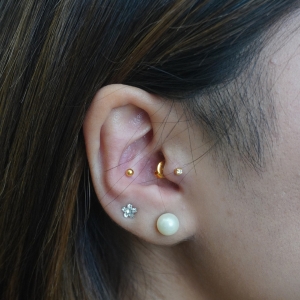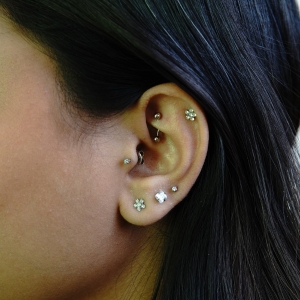
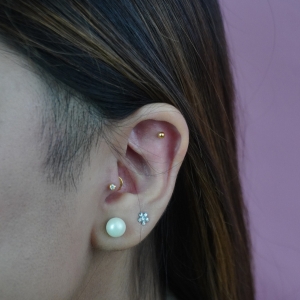
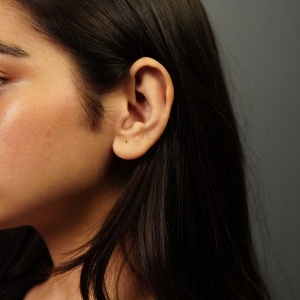
If you have ever searched for “piercing aftercare near me,” you have probably come across plenty of cleaning advice. Those basics matter, but there is a whole everyday side to healing that does not always get mentioned. At Galima Piercing and Aftercare Studio, aftercare is part of making sure you know what to expect after your appointment. If you are considering piercing services in Pakistan, understanding these little details can make the healing period much easier.
Getting Dressed Gets a Little Trickier
Putting on your clothes is usually something you do on autopilot, but being newly pierced can make you much more aware of them. A T-shirt pulled over the head, a tight neckline, or even a dupatta can catch onto the jewellery. Ear and facial piercings are particularly easy to snag because clothing, especially crochet ones, have fibers going in different directions. Facial piercings can also catch on a neckline or fabric being pulled over your head, while a dermal can get caught when clothing lies directly on top.
The easiest solution is usually to slow down around the area. And if one particular shirt, like a crochet top, catches it every time, don’t keep testing your luck with it. The repeated snagging can become uncomfortable quickly.
| Everyday Moment | Why a Healing Piercing Can Make It Awkward |
| Pulling a T-shirt over your head | Necklines can catch on ear or facial jewellery, while fabric can rub against a dermal |
| Washing or brushing your hair | Hair can catch or wrap around ear jewellery |
| Drying off after a shower | Towels can snag jewellery surprisingly easily |
| Sleeping | Pillows and bedding can put pressure on the area |
| Wearing headphones | Ear cups can press against jewellery on the outer ear |
| Visiting a salon | Brushes, combs, hands, or products can come into contact with the area |
The Hair Situation
Anyone with long hair already knows how easily it ends up where it is not supposed to be. Hair can wind around the jewellery while you are brushing it, washing it or simply pushing it behind your ear. The problem is often not noticed until the strand has already caught around the jewellery or irritated the piercing. This can be especially a problem around facial piercings near the hairline or cheek.
Washing your hair can require a little more attention too. Try to keep the jewellery out of the path of your hands and hair so you don’t discover a strand stuck to your earring or stud.
Drying Off Takes a Little Care
A towel seems harmless. After all, it is soft. The problem is the way it’s used. Rubbing your face or hair quickly can drag the towel across jewellery and catch it without a warning. The ear and facial piercings are quite prone to this. Drying the area gently is a small change, but it is one of those habits that becomes second nature easily.
Sleeping Takes Some Getting Used To
Sleeping with new piercings is not always difficult, but it can be inconvenient if the new piercing jewelry often touches the pillow. Side sleepers particularly face this problem. The same applies to facial or dermal piercings you got somewhere that touches your pillow or bedding. You may fall asleep comfortably and then wake up after rolling onto the vulnerable area without realising it.
If you are a side sleeper, try to keep pressure off the new piercing while it heals. A travel pillow or pillow with an opening can sometimes make this easier by keeping the ear from pressing directly into the pillow
Glasses and Headphones Can Get in the Way
A new ear piercing also changes how you have to think about things that come near your ears. Glasses arms can especially rub against helix piercings. Over-ear headphones can press against the outer ear. Depending on the placement, even something as ordinary as putting earbuds in can require a little more care. Other facial piercings can have their own everyday annoyances, such as makeup, masks or skincare products.
This does not mean these little things have to disappear from your routine. Depending on the placement, you may need to switch to a different type of headphones or simply avoid them until the area is less sensitive.
A Salon Visit Needs a Quick Heads-Up
A hair appointment is another situation people rarely think about until they are sitting in the salon chair. Your stylist may wash your hair, use a brush around your ears or face, or move sections of hair out of the way. Mention the piercings before the appointment starts. That way, the stylist knows where to be careful instead of finding out when a comb catches the jewellery.
You Will Eventually Stop Thinking About the Piercing
For the first few days, you are very aware of it. Then life goes back to normal and you get used to the piercings. You stop thinking about it before pulling a shirt over your head, brushing your hair back or going through your usual skincare routine. That is usually when the accidental tugs happen. You do not need to spend the entire healing period treating your piercing like it is made of glass. The goal is simply to recognise the activities that can cause irritation and be a little more deliberate around them.
Conclusion
A piercing does not require you to put your normal life on hold. It does require a little more awareness around the things that touch, rub against or come close to it. Once you know which clothes, habits and everyday objects cause trouble, most of the annoying parts become much easier to manage.