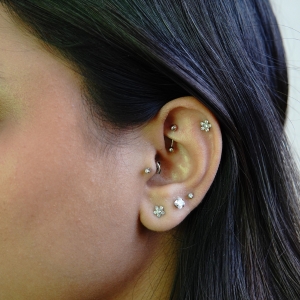
Mild itching is usually just your piercing doing its thing while it heals. It’s totally normal. But if it’s intense, won’t quit, or comes with redness or discharge, that’s a different story and worth paying attention to.
No matter whether it’s a facial piercing or a belly piercing, the same basic rule applies: keep your hands away as much as possible. This also applies when the area starts itching and every single instinct you have tells you to scratch it. Let’s talk about what causes this itchiness so you’re aware of what’s going on in your healing process.
Why Does a Healing Piercing Itch in the First Place?
When your body heals a wound, it builds new skin cells, repairs tissue, and heals everything that’s under the surface and all of this activity creates an itch. It’s the exact same reason a healing cut itches or why some people scratch off their scabs.
This type of healing itch is usually mild. It comes and goes throughout the day. It doesn’t get worse over time and it doesn’t come with any other symptoms that alarm you. But this sure can become mildly annoying.
Belly piercings tend to be especially itchy because they get rubbed by clothing constantly and the skin around your navel moves a lot throughout the day with all the usual activities.
Facial piercings: Your face deals with a lot more than the rest of your body, so a fresh piercing there tends to itch more too. Sun, wind, makeup, your skincare routine, it’s all touching that spot repeatedly. If yours feels itchy during the first couple of weeks, that’s usually nothing to worry about.
Is Itching a Sign of Healing?
Yes, when your body tries to repair any wound, it releases histamines. Your brain reads this as an itching feeling. Then sometimes overcleaning or wiping with harsh products tends to dry out the area, which also contributes to this sensation. And as a repaired layer forms, it is also tighter and covered with a crusty layer, which makes you feel this sensation. These are all reasons itchiness can mean a good repair journey.
When should itching be a cause for concern?
The itch from normal healing is manageable and improves as the weeks go on. But some things aren’t normal like intense itchiness or redness that spreads outwards from the piercing site. You can also see a rash or raised skin around the jewelry, swelling that just keeps growing with no signs of it going down, or discharge that’s thick, yellow, or green. These are some pretty common symptoms that the area is getting irritated or something is wrong.
Common Reasons behind this Problem
At Galima Piercing and Aftercare Studio, when people come in with complaints of endless itching, these are the issues we most commonly find.
First up is the jewelry. Nickel sensitivity is fairly common and a huge number of people don’t even know they have it until they get pierced with something that contains it. Nickel hides in a lot of metals that get marketed as fine for piercings but your immune system does not agree. If the irritation’s only happening right where the jewelry touches your skin, it could be because of the metal. Switch to implant-grade titanium or solid gold and most of the time that fixes it for good. This is why we emphasize the quality of materials at our studio from day one.
Cleaning too often. Cleaning more doesn’t mean you’ll experience faster or better healing. When you clean a piercing five or six times a day, you strip away moisture and disrupt what progress your body made. This is usually why many first timers end up with dry irritated skin that itches a lot. Cleaning twice a day with sterile saline is usually sufficient.
Products getting where they shouldn’t. Skincare and hygiene products like shampoo, conditioner, serums, facial oils or hairspray are things you need to apply carefully. All of these drip onto healing piercings more easily than you’d think and they cause ongoing irritation that shows up as itching. Be deliberate about rinsing carefully and keeping your skincare and haircare away from the wounded site.
What to do when the area is scratchy?
The best thing you can do is keep it simple. Dry it off after you shower, and try your absolute best to keep your hands off it, even when the itch is urging you to scratch. If you have a feeling the jewelry’s the problem, it might be time to upgrade to something better. And if you’ve been a little overzealous with the cleaning, ease up and just let your skin breathe and do its own thing for a while.
What you want to avoid most importantly when choosing a piercing near me or caring for a new one is scratching it even gently, and reaching for unnecessary products that don’t genuinely help. Tea tree oil, alcohol, and Dettol are all examples of extras. We know they feel medicinal and therefore right, but they’re all too harsh for a healing piercing, and they will make things worse, not better.
Ending thoughts
If you’re thinking “I’ve tried everything and it’s still itching. What now? Visit Galima Piercing and Aftercare Studio and let our professionals take a look. If your navel or facial piercing is infected it’s something you can’t just fix at home. A professional piercer can assess the piercing and help identify possible sources of irritation, but infections should be evaluated by a healthcare provider.